
Call us now :07313727068
 Send Inquiry
 Send Inquiry
Titanium Rods
Price 1500 INR/ Kilograms
MOQ : 50 Kilograms
Titanium Rods Specification
- Other Material
- Titanium Alloy
- Product Type
- Solid Rod
- Material
- Titanium
- Type
- Industrial Rod
- Shape
- Round
- Standard
- ASTM B348 / ASME SB348
- Technique
- Hot Rolled / Cold Drawn
- Surface Treatment
- Polished
- Diameter
- 6 mm to 60 mm
- Length
- 1 Meter to 6 Meters
- Wall Thickness
- Customizable up to 30 mm
- Grade
- GR1, GR2, GR5, GR7, GR9, GR12
- Density
- 4.51 Gram per cubic centimeter(g/cm3)
- Color
- Silver / Metallic Grey
- Packing
- Wooden boxes / polyethylene bags
- Elongation
- 18%
- Yield Strength
- 240 MPa
- Application
- Aerospace, Chemical Processing, Medical, Marine, Automotive
- Tolerance
- 0.02 mm
- Melting Point
- 1668C
- Export Markets
- Global
- Corrosion Resistance
- Excellent against acids and chlorides
- Minimum Order Quantity
- 5 Kg
- Hardness
- Rockwell C 36 (Approx.)
- Tensile Strength
- 360 MPa
- Machinability
- Good
Titanium Rods Trade Information
- Minimum Order Quantity
- 50 Kilograms
- Payment Terms
- Paypal, Cash Advance (CA), Cash in Advance (CID), Cheque
- Supply Ability
- 1000 Kilograms Per Month
- Delivery Time
- 7 Days
- Main Domestic Market
- All India
About Titanium Rods
Material Options:Mild Steel (MS)
Stainless Steel (SS 304 / SS 316)
Carbon Steel
Alloy Steel (e.g., EN8, EN24, EN31)
Tool Steel
Diameter Range:
6 mm to 150 mm (or more, depending on supplier)
Length:
Standard: 1 meter to 6 meters
Custom lengths available on request
Surface Finish:
Bright (polished)
Black (hot rolled)
Peeled or ground finish
Tolerance Grades:
h9, h11, or as per customer requirement (used in precision applications)
Standards (Typical):
ASTM A276 (for stainless steel)
IS 2062 (for mild steel)
EN standards (for alloy/tool steel)
Tensile Strength:
Varies by material:
MS: 400 MPa
SS 304: 520 MPa
EN8: 600 MPa
Applications:
Shafts
Machined components
Construction
Fabrication works
Auto parts, tools, and fasteners
Applications in High-Performance Industries
Titanium rods are essential components across multiple high-performance industries such as aerospace, medical, marine, automotive, and chemical processing. Their remarkable yield and tensile strengths, as well as excellent resistance to corrosion and acids, ensure reliable long-term operation, even in the harshest environments. The rods are available in several customizable sizes and grades, making them adaptable for specific industry needs.
Precision Manufacturing and Compliance
These rods adhere to global standards, including ASTM B348 and ASME SB348, ensuring consistent quality and compatibility. Produced using advanced hot rolling or cold drawing techniques, each rod displays a polished surface and tight dimensional tolerances. Every rod is packed securely in wooden boxes or polyethylene bags for safe global export and delivery.
FAQ's of Titanium Rods:
Q: How are the titanium rods manufactured to achieve such tight tolerances?
A: The titanium rods are produced using precise hot rolled or cold drawn techniques. This controlled manufacturing process ensures a tolerance of 0.02 mm, resulting in rods with consistent diameters and surface qualities that meet strict industry standards.Q: What industries commonly use these titanium rods and why?
A: Industries such as aerospace, chemical processing, marine, medical, and automotive utilize these rods because of their excellent mechanical strength, corrosion resistance, and ability to withstand extreme temperatures. Their reliability makes them ideal for applications requiring high performance and longevity.Q: When should I choose a specific titanium grade (e.g. GR2 vs GR5)?
A: You should select the grade based on the application requirements. For example, GR2 is often chosen for its formability and resistance to corrosion, while GR5 offers higher strength and is suitable for aerospace or medical implants. Consulting with the supplier regarding your project's conditions is advised.Q: Where are these titanium rods typically sourced from and exported?
A: These rods are manufactured and supplied globally, with India as a major distributor, manufacturer, exporter, importer, and service provider. The packing ensures safe transportation to international markets.Q: What is the standard process for ordering and receiving these rods?
A: To place an order, a minimum quantity of 5 kg is required. Customers can specify diameter, length, grade, and other customization needs. After manufacturing and surface treatment, rods are packed securely and shipped worldwide.Q: How can these titanium rods benefit my application over other metal rods?
A: Titanium rods combine a high strength-to-weight ratio, outstanding corrosion resistance, and excellent machinability. These properties ensure durable and lightweight components, significantly reducing maintenance and extending operational life compared to conventional metals.Q: What special handling or storage considerations are needed for these titanium rods?
A: Titanium rods should be stored in dry, non-reactive environments, away from strong acids or alkalis when unpacked. They are shipped in protective wooden boxes or polyethylene bags to prevent damage and contamination during transit.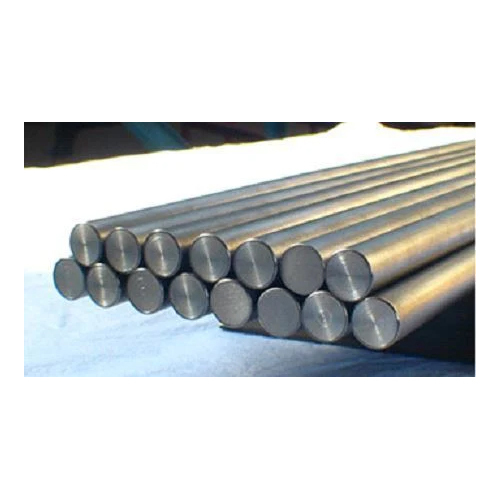
Tell us about your requirement

Price:
Quantity
Select Unit
- 50
- 100
- 200
- 250
- 500
- 1000+
Additional detail
Mobile number
Email

More Products in Titanium Product Category
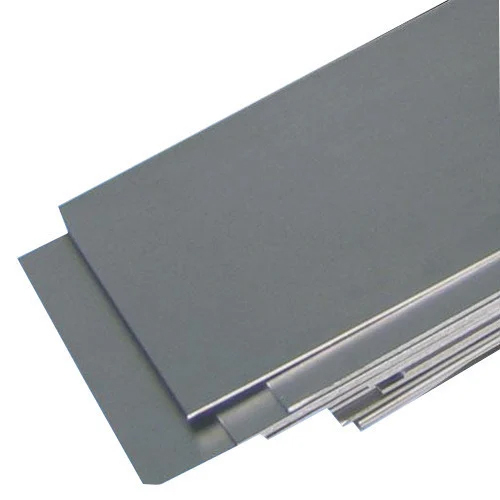
Titanium Plates
Price 2000 INR / Kilograms
Minimum Order Quantity : 50 Kilograms
Type : Other, Plate
Color : Silver Grey
Material : Titanium
Shape : Other, Rectangular / Square / Custom Cut
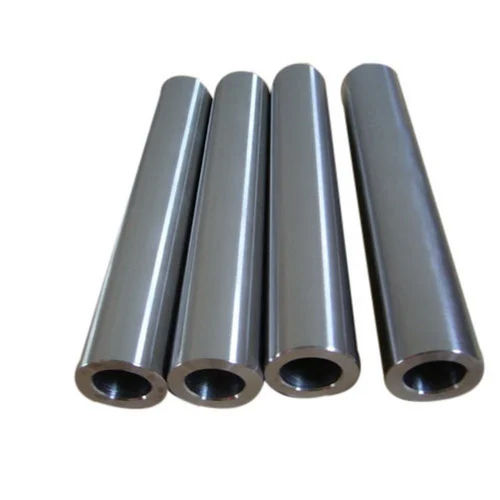
Titanium Grade 2 Seamless Tubes
Price 1805 INR / Kilograms
Minimum Order Quantity : 50 Kilograms
Type : Other, Seamless Tube
Color : Silver Grey
Material : Other, Titanium Grade 2
Shape : Round
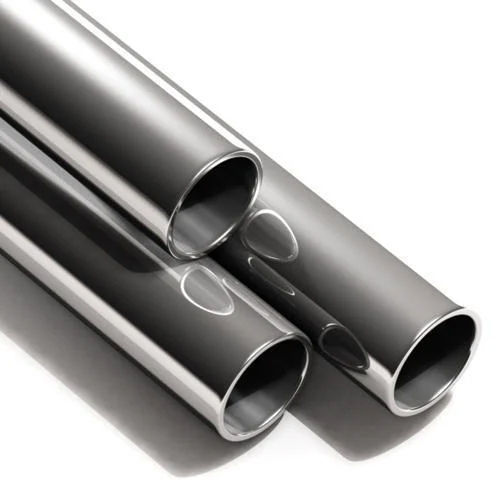
Titanium Sheets
Minimum Order Quantity : 50 Kilograms
Type : Other, Flat Sheet
Color : Silver Grey
Material : Titanium
Shape : Other, Sheet
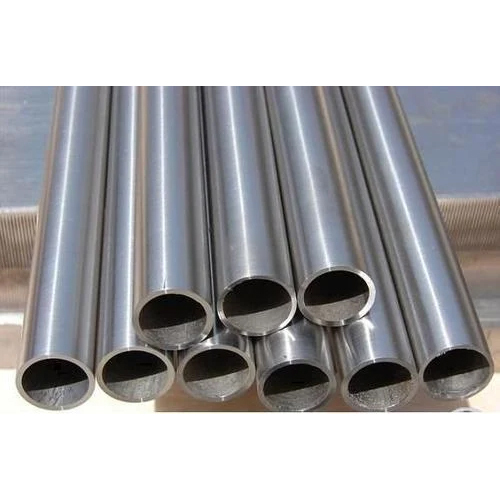
Titanium Grade 2 Seamless Pipes
Price 1800 INR / Kilograms
Minimum Order Quantity : 50 Kilograms
Type : Other, Seamless Pipe
Color : Metallic SilverGrey
Material : Other, Titanium Grade 2
Shape : Other, Round, Square, Rectangular

 Send Inquiry
Our Products
- Alloy Plates And Sheets
- Stainless Steel Half Coupling
- SS Hex Bolts
- Pipe Elbows
- Pipes And Pipe Fittings
- STAINLESS STEEL TUBE AND TUBE FITTINGS
- COPPER TUBES AND FITTINGS
- Stainless Steel Pipes
- Stainless Steel Flanges
- Round Bars
- Aluminum And Brass Pipe Fittings
- Saudi Aramco Approved Flanges And Fittings
- Alloy Steel Pipe Fittings
- Hastelloy Pipe Fittings
- Inconel Pipe Fittings
- Titanium Product
- Monel Pipe Fittings
- Carbon Steel Flanges
- Carbon Steel Pipe Fittings
- Nickel Alloy Pipes and Tubes
- Nickel Alloy Forged Fittings
- Surgical Pipes
- Monel Flanges
- Inconel Flanges
- Hastelloy Flanges
- Super Duplex Stainless Steel Pipe Fittings
- Seamless Steel Pipes
- Copper Nickel Flange
- Aluminum Flanges
- Alloy Steel Flanges
- MS product


SHOP NO 06, 89 ISHWAR BHUVAN, KHADILKAR ROAD, KANDAWADI, CHARNI ROAD,Mumbai - 400004, Maharashtra, India

Mr Nikhil Mehta
(Proprietor)
Mobile :07313727068
 Send Inquiry
 Send SMS
Developed and Managed by Infocom Network Private Limited.
