
Call us now :07313727068
 Send Inquiry
 Send Inquiry
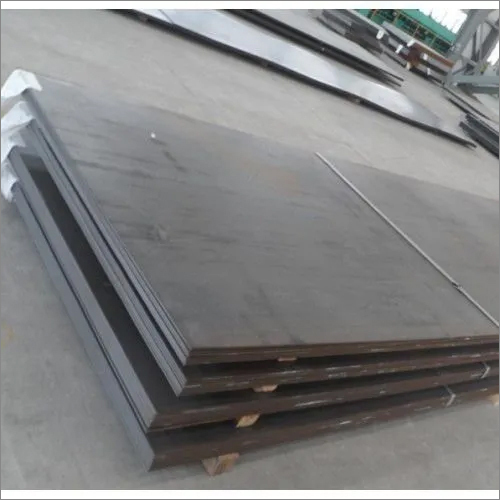
Alloy Steel Plates
Price 150 INR/ Kilograms
MOQ : 10 Kilograms
Alloy Steel Plates Specification
- Cross Dimension
- As specified by customer or standards
- Thickness
- 5 mm 300 mm
- Outer Diameter
- Not applicable (plate form)
- Usage & Applications
- Construction, Bridges, Boilers, Pressure Vessels, Mining, Shipbuilding, Heavy Machinery, Oil & Gas
- Fabrication Process
- Hot Rolled / Cold Rolled / Heat Treated
- Corrosion Resistant
- Yes, with proper alloying elements or surface treatment
- Diameter
- Not applicable (flat plate)
- Material Grade
- A387 Gr. 11 / A387 Gr. 22 / A516 Gr. 70 / EN 10025 S355 as required
- Size
- Custom sizes available upon request
- Features
- Good weldability, durability, high strength, wear resistance, impact resistance
- Finish
- Smooth / Mill / Shot blasted / Painted
- Length
- 2000 mm 12000 mm
- Width
- 1000 mm 3000 mm
- Temper
- Normalized / Quenched & Tempered / As Rolled (as required)
- Shape
- Rectangular / Square
- Strength
- High tensile strength (390 890 MPa, depending on grade)
- Hardness
- 180 300 HBW (Brinell), varies with temper and grade
- Alloy
- Contains chromium, molybdenum, nickel, vanadium or other elements
- Grade
- A387, A572, A514, A516, EN10025, ASTM, DIN, JIS, BS, IS (most common grades for alloy steel plates; actual grade varies)
- Surface Treatment
- Mill finish / Shot Blasted / Painted / Pickled as required
- Dimension (L*W*H)
- Typically range: 2000-12000 mm (L) x 1000-3000 mm (W) x 5-300 mm (H)
- Color
- Metallic Grey
- Testing
- Ultrasonic Tested, Radiography, Impact Test, Hardness Test, as per requirement
- Tolerance
- As per relevant standard (e.g. EN10029, ASTM A20)
- Impact Toughness
- Charpy V-Notch tested as required
- Delivery Condition
- As Rolled / Heat Treated / Annealed, based on order
- Heat Treatment
- Normalized, Annealed, Quenched and Tempered (Q&T), as needed
- Edge Condition
- Mill Edge, Trimmed Edge
- Standard
- ASTM/ASME, EN, JIS, DIN, BS, IS standards available
- Temperature Resistance
- Suitable for both high and low temperature service
- Packing
- Loose / Packed in bundles / Wooden pallets, as per requirement
- Availability
- Ex-stock and custom production
Alloy Steel Plates Trade Information
- Minimum Order Quantity
- 10 Kilograms
- Supply Ability
- 10000 Kilograms Per Month
- Delivery Time
- 7 Days
- Main Domestic Market
- All India
About Alloy Steel Plates
We offer heat resistant Alloy Steel Plates that are made adopting gradient material and are highly acclaimed for their properties such as corrosion resistance, strength, and oxidation resistance. These plates find extensive usage in several industries because of their features such as dimensionally accurate, corrosion proof, economical rates. Alloy Steel Plates are available in three grades having different strength levels such as grade tensile strength, KSI [MPA], A 65 85 [450 585], B 70 90 [485 620], and C 75 95 [515 655].
|
Material Grade |
SA387 Grade 11 |
|
Thickness |
3-10 mm |
|
Brand |
Metalloy |
|
Material |
Alloy Steel |
|
Shape |
Rectangular |
|
Surface Finishing |
Polished |
Unmatched Quality for Demanding Applications
Our alloy steel plates are fabricated using advanced processes such as hot or cold rolling, heat treatment, and surface finishing. Each plate undergoes rigorous quality inspection, including ultrasonic testing, radiography, and impact resistance checks, to ensure compliance with global standards. This ensures safety, longevity, and performance in pressure vessels, bridges, and structural projects.
Customizable Solutions for Every Industry
We offer flexibility in sizes, grades, surface treatments, and edge conditions, providing mill or trimmed edges, various heat treatments, and finishes like mill, shot blasted, or painted surfaces. Plates are available ex-stock or through custom production, and can be packed loose, in bundles, or on wooden pallets to suit logistics and customer requirements.
FAQ's of Alloy Steel Plates:
Q: How do I select the appropriate alloy steel plate grade for my application?
A: Choosing the correct grade depends on your project's mechanical requirements and operating environment. Our range includes A387, A516, EN 10025, and more, each suitable for different uses like boilers, pressure vessels, and structural components. Consult with our technical team to match plate grade with strength, temperature resistance, and weldability requirements.Q: What is the process for ordering custom-size alloy steel plates?
A: Custom sizes can be specified when placing your order. Provide dimensions (length, width, thickness), preferred grades, surface finish, and any testing or treatment requirements. We manufacture to specification, ensuring compliance with relevant standards and delivery conditions.Q: When should I request heat treatment for alloy steel plates?
A: Heat treatments such as normalization, annealing, or quenching and tempering enhance mechanical properties like toughness or hardness. Request these when your application demands elevated strength or specific impact resistance, such as in pressure vessels or high-stress construction.Q: Where are these alloy steel plates typically utilized?
A: These plates serve in a range of industries including construction, shipbuilding, boiler and pressure vessel manufacturing, mining, oil & gas, and heavy machinery. Their versatility and high performance make them a reliable choice for critical structural and high-stress applications.Q: What testing and certifications are available for quality assurance?
A: Plates can be subjected to ultrasonic testing, radiography, impact (Charpy V-Notch), and hardness tests as per order. Certifications per standards like EN10029 and ASTM A20 ensure compliance and traceability, enhancing confidence in material quality.Q: How do surface treatments benefit alloy steel plates?
A: Surface treatments such as shot blasting, painting, or pickling increase corrosion resistance and longevity, and provide a better base for further fabrication. Tailoring the surface finish to your environment can significantly improve durability and appearance.Q: What are the main benefits of choosing alloy steel plates for my project?
A: Alloy steel plates offer high strength, excellent weldability, wear and impact resistance, and adaptability to extreme temperatures. They maintain integrity under stress and are available in a wide range of sizes and finishes, making them ideal for demanding industrial applications.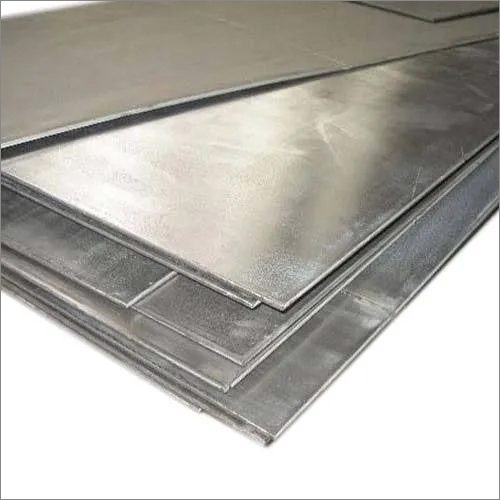
Tell us about your requirement

Price:
Quantity
Select Unit
- 50
- 100
- 200
- 250
- 500
- 1000+
Additional detail
Mobile number
Email

More Products in Alloy Plates And Sheets Category
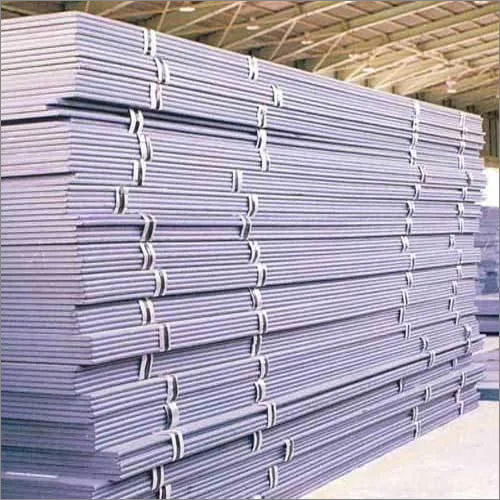
High Nickel Alloys Steel Plates
Price 150 INR / Kilograms
Minimum Order Quantity : 10 Kilograms
Shape : Other, Rectangular, Square, or Custom
Product Type : Alloy
Material : Alloy Steel
Surface Treatment : Other, Polished / Hot Rolled
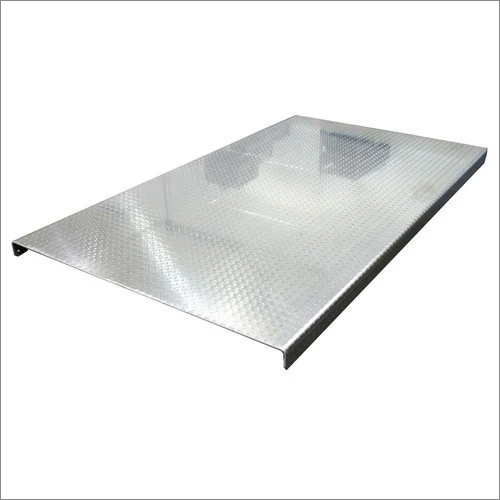
Aluminum Sheets
Price 220 INR / Kilograms
Minimum Order Quantity : 10 Kilograms
Shape : Other, Rectangular, square, or custom shape
Product Type : Alloy
Material : Alloy Steel
Surface Treatment : Other, Mill finish, anodized, brushed, color coated
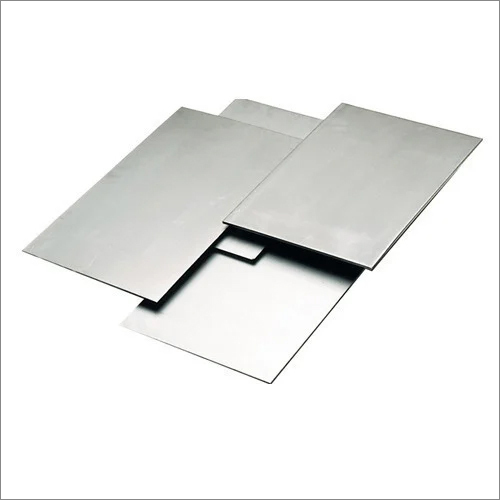
Nickel Alloys Sheets
Price 300 INR / Kilograms
Minimum Order Quantity : 10 Kilograms
Shape : Other, Rectangular, Square, Custom shapes
Product Type : Metal
Material : Alloy Steel
Surface Treatment : Other, Polished, Bright, Annealed
Abrasion Resistant Plates
Price 220 INR / Kilograms
Minimum Order Quantity : 10 Kilograms
Shape : Other, Plate / Sheet
Product Type : Metal
Material : Alloy Steel
Surface Treatment : Other, Shot Blasted

 Send Inquiry
Our Products
- Alloy Plates And Sheets
- Stainless Steel Half Coupling
- SS Hex Bolts
- Pipe Elbows
- Pipes And Pipe Fittings
- STAINLESS STEEL TUBE AND TUBE FITTINGS
- COPPER TUBES AND FITTINGS
- Stainless Steel Pipes
- Stainless Steel Flanges
- Round Bars
- Aluminum And Brass Pipe Fittings
- Saudi Aramco Approved Flanges And Fittings
- Alloy Steel Pipe Fittings
- Hastelloy Pipe Fittings
- Inconel Pipe Fittings
- Titanium Product
- Monel Pipe Fittings
- Carbon Steel Flanges
- Carbon Steel Pipe Fittings
- Nickel Alloy Pipes and Tubes
- Nickel Alloy Forged Fittings
- Surgical Pipes
- Monel Flanges
- Inconel Flanges
- Hastelloy Flanges
- Super Duplex Stainless Steel Pipe Fittings
- Seamless Steel Pipes
- Copper Nickel Flange
- Aluminum Flanges
- Alloy Steel Flanges
- MS product


SHOP NO 06, 89 ISHWAR BHUVAN, KHADILKAR ROAD, KANDAWADI, CHARNI ROAD,Mumbai - 400004, Maharashtra, India

Mr Nikhil Mehta
(Proprietor)
Mobile :07313727068
 Send Inquiry
 Send SMS
Developed and Managed by Infocom Network Private Limited.
