
Call us now :07313727068
 Send Inquiry
 Send Inquiry
Aluminium Alloy Sheets
Price 150 INR/ Kilograms
MOQ : 10 Kilograms
Aluminium Alloy Sheets Specification
- Finish
- Bright, Matte
- Thickness
- 0.5 mm to 150 mm
- Corrosion Resistant
- Yes
- Features
- Lightweight, High strength, Good machinability, Good weldability
- Usage & Applications
- Aerospace, Marine, Automotive, Construction, Electrical, General Engineering
- Cross Dimension
- Custom as per requirement
- Outer Diameter
- N/A (Flat sheets)
- Length
- Up to 6000 mm
- Size
- Standard and custom-coil widths up to 2000 mm
- Fabrication Process
- Cold Rolled, Hot Rolled, Extruded
- Temper
- O, H12, H14, H32, T6
- Diameter
- N/A (Flat sheets)
- Width
- Up to 2000 mm
- Material Grade
- 6000 & 7000 Series
- Shape
- Rectangular, Square, Custom shapes
- Strength
- High strength to weight ratio
- Hardness
- Brinell 95 HB (Approx. for 6061-T6)
- Alloy
- Aluminium Alloy
- Grade
- 6061, 5052, 7075 (Typical Grades)
- Surface Treatment
- Mill finish, Anodized, PVDF Coated
- Dimension (L*W*H)
- Custom sizes available (e.g., 1250 mm x 2500 mm x Thickness)
- Color
- Silver/Grey
- Cutting Tolerance
- ±0.5 mm
- Standard Conformance
- ASTM B209, EN573, JIS H4000
- Electrical Conductivity
- 43% IACS
- Thermal Conductivity
- 150 W/mK
- Density
- 2.7 g/cm³
- Tensile Strength
- Up to 310 MPa (6061-T6)
- Packaging
- Wooden pallets or as required
- Formability
- Excellent
- Elongation
- 8-12% (Depending on alloy and temper)
- Yield Strength
- Up to 275 MPa (6061-T6)
Aluminium Alloy Sheets Trade Information
- Minimum Order Quantity
- 10 Kilograms
- Payment Terms
- Cash in Advance (CID)
- Supply Ability
- 10000 Kilograms Per Month
- Delivery Time
- 7 Days
- Main Domestic Market
- All India
About Aluminium Alloy Sheets
We offer Aluminium Alloy Sheets with good welded properties and are widely demanded in the market for consumer electronics casings. These sheets are flexible and can be bent through a specified angle without cracking for the different tempers and thicknesses. These are very strong when compared to other aluminum alloys and has middling machining ability. They can also be easily welded and are ductile enough for deep draws. Furthermore, Aluminium Alloy Sheets offers improved breakage toughness and fatigue fracture growth while sustaining the strength.
|
Color |
Silver |
|
Shape |
Rectangular |
|
Type |
Plate |
|
Grade |
5000/6000/7000 Series etc. |
|
Thickness |
30-300 mm |
|
Brand |
Metalloy |
|
Surface Treatment |
Galvanized |
|
Material |
Aluminum Alloy |
Engineered for Excellence
Aluminium Alloy Sheets are crafted to provide superior performance, combining lightweight characteristics with impressive strength and durability. The use of advanced alloys like 6061-T6 and 7075 ensures each sheet meets strict specifications and delivers reliability in demanding conditions. Available in standard and custom sizes, the sheets can be tailored to your project's needs, making them ideal for a multitude of applications.
Versatile Applications
These alloy sheets are trusted across various industries, including aerospace, marine, automotive, construction, and electrical engineering. Their excellent formability, machinability, and weldability simplify fabrication processes, while robust corrosion resistance extends their lifespan. Suitable for both heavy-duty structural work and precision engineering, they are integral to modern industry.
FAQ's of Aluminium Alloy Sheets:
Q: How are Aluminium Alloy Sheets typically fabricated for different applications?
A: Aluminium Alloy Sheets can be fabricated using cold rolling, hot rolling, or extrusion depending on the required mechanical properties and end-use. Their excellent formability allows for easy cutting, bending, and welding, making them suitable for applications requiring custom dimensions or complex shapes.Q: What benefits do these sheets offer in terms of strength and weight?
A: With a high strength-to-weight ratio and a density of just 2.7 g/cm3, aluminium alloy sheets provide significant weight savings without compromising on mechanical performance. This makes them especially valuable in industries such as aerospace and automotive, where both strength and lightweight materials are crucial.Q: When should I choose 6061, 5052, or 7075 grade aluminium sheets?
A: Grade selection depends on the specific strength, corrosion resistance, and machinability required. 6061 is recognized for general engineering and structural use due to its excellent strength and weldability, 5052 excels in marine environments for superior corrosion resistance, while 7075 is preferred in aerospace and high-stress applications for its high tensile strength.Q: What standard dimensions and custom options are available for these sheets?
A: Standard sheets are available in widths up to 2000 mm, lengths up to 6000 mm, and thicknesses ranging from 0.5 mm to 150 mm. Custom sizes, coil widths, and shapes (rectangular, square, or custom designs) are also available upon request to fit unique project requirements.Q: Where can Aluminium Alloy Sheets be utilized effectively?
A: These sheets are widely used in aerospace, marine, automotive, construction, and electrical industries due to their adaptability, corrosion resistance, and excellent mechanical properties. Their all-around versatility makes them suitable for both structural and precision engineering projects.Q: What surface treatments and finishes are offered for these alloy sheets?
A: Surface treatments include mill finish, anodized, and PVDF coatings, providing options for enhanced corrosion resistance, improved aesthetics, and better compatibility with subsequent processing such as painting or sealing.Q: How are the sheets packaged and delivered to maintain quality during transport?
A: Typically, Aluminium Alloy Sheets are packaged on sturdy wooden pallets or as per specific requirements. This ensures that the material remains protected from physical damage and environmental exposure during transit, preserving its finish and integrity until delivery.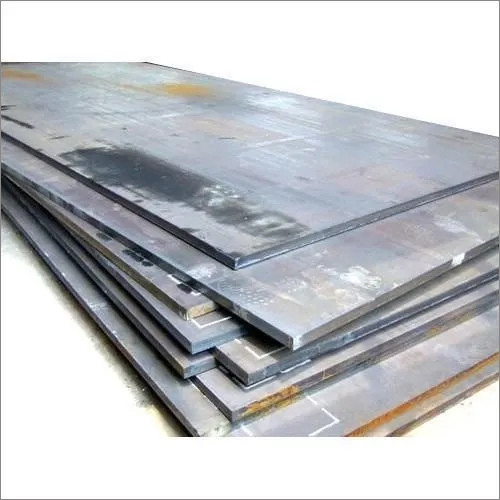
Tell us about your requirement

Price:
Quantity
Select Unit
- 50
- 100
- 200
- 250
- 500
- 1000+
Additional detail
Mobile number
Email

More Products in Alloy Plates And Sheets Category
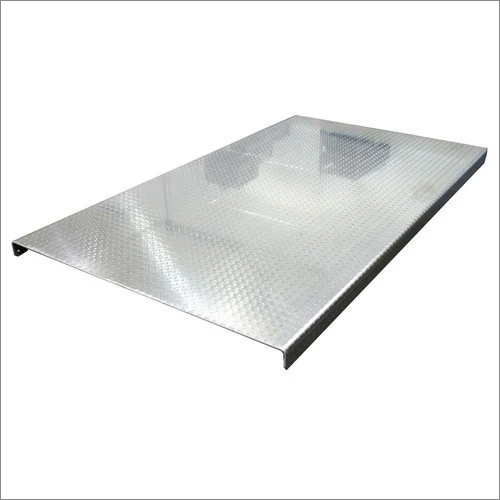
Aluminum Sheets
Price 220 INR / Kilograms
Minimum Order Quantity : 10 Kilograms
Product Type : Alloy
Material : Alloy Steel
Shape : Other, Rectangular, square, or custom shape
Surface Treatment : Other, Mill finish, anodized, brushed, color coated
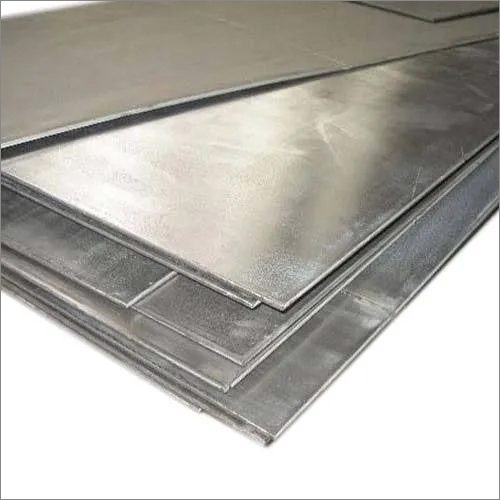
Alloy Steel Plates
Price 150 INR / Kilograms
Minimum Order Quantity : 10 Kilograms
Product Type : Metal
Material : Alloy Steel
Shape : Other, Rectangular / Square
Surface Treatment : Other, Mill finish / Shot Blasted / Painted / Pickled as required
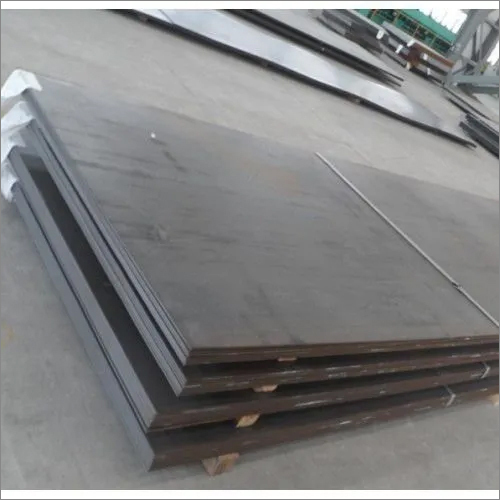
Abrasion Resistant Plates
Price 220 INR / Kilograms
Minimum Order Quantity : 10 Kilograms
Product Type : Metal
Material : Alloy Steel
Shape : Other, Plate / Sheet
Surface Treatment : Other, Shot Blasted

Stainless Steel Plates
Price 160 INR / Kilograms
Minimum Order Quantity : 10 Kilograms
Product Type : Metal
Material : Alloy Steel
Shape : Other, Rectangular, Square
Surface Treatment : Other, Hot Rolled, Cold Rolled, Polished

 Send Inquiry
Our Products
- Alloy Plates And Sheets
- Stainless Steel Half Coupling
- SS Hex Bolts
- Pipe Elbows
- Pipes And Pipe Fittings
- STAINLESS STEEL TUBE AND TUBE FITTINGS
- COPPER TUBES AND FITTINGS
- Stainless Steel Pipes
- Stainless Steel Flanges
- Round Bars
- Aluminum And Brass Pipe Fittings
- Saudi Aramco Approved Flanges And Fittings
- Alloy Steel Pipe Fittings
- Hastelloy Pipe Fittings
- Inconel Pipe Fittings
- Titanium Product
- Monel Pipe Fittings
- Carbon Steel Flanges
- Carbon Steel Pipe Fittings
- Nickel Alloy Pipes and Tubes
- Nickel Alloy Forged Fittings
- Surgical Pipes
- Monel Flanges
- Inconel Flanges
- Hastelloy Flanges
- Super Duplex Stainless Steel Pipe Fittings
- Seamless Steel Pipes
- Copper Nickel Flange
- Aluminum Flanges
- Alloy Steel Flanges
- MS product


SHOP NO 06, 89 ISHWAR BHUVAN, KHADILKAR ROAD, KANDAWADI, CHARNI ROAD,Mumbai - 400004, Maharashtra, India

Mr Nikhil Mehta
(Proprietor)
Mobile :07313727068
 Send Inquiry
 Send SMS
Developed and Managed by Infocom Network Private Limited.
