Call us now :07313727068
 Send Inquiry
 Send Inquiry
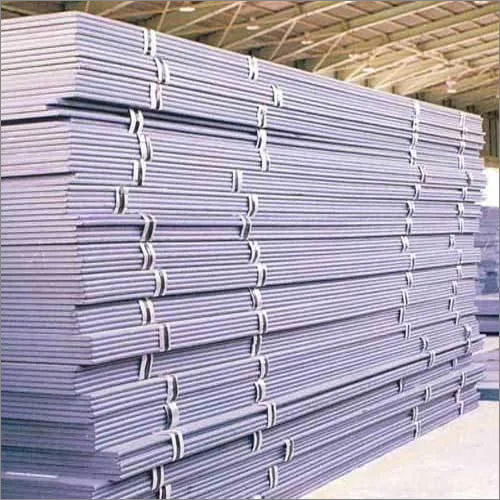
Abrasion Resistant Plates
Price 220 INR/ Kilograms
MOQ : 10 Kilograms
Abrasion Resistant Plates Specification
- Cross Dimension
- As required
- Finish
- Smooth
- Material Grade
- AR Grade or Equivalent
- Temper
- Quenched & Tempered
- Corrosion Resistant
- Yes
- Thickness
- 6 mm to 100 mm
- Usage & Applications
- Heavy machinery, mining, construction, earthmoving equipment, liners, buckets, and wear parts
- Length
- Up to 12000 mm
- Size
- Custom Sizes Available
- Width
- Up to 3200 mm
- Fabrication Process
- Cutting, Bending, Welding, Machining
- Features
- Abrasion & Impact Resistant, Long Service Life, High Performance
- Shape
- Plate / Sheet
- Strength
- High Strength
- Hardness
- 360-600 HBW (Depending on Grade)
- Alloy
- Yes
- Grade
- AR400, AR500, AR600 (Available Grades)
- Surface Treatment
- Shot Blasted
- Dimension (L*W*H)
- As per requirement / Customizable
- Color
- Grey
- Yield Strength
- Min. 1200 MPa (AR400)
- Edge Condition
- Mill Edged/Square Edged
- Weldability
- Good, with appropriate process for high hardness steel
- Heat Resistance
- Up to 400°C
- Elongation
- 8%-12% (Depending on Grade)
- Impact Toughness
- High, for most grades
- Standards Followed
- ASTM, EN, JIS, IS Specifications
- Machinability
- Moderate to Low (Requires Special Tooling)
- Delivery Condition
- Hot-rolled, Quenched and Tempered
- Packaging
- Standard Export Package
- Density
- 7.85 g/cm³
Abrasion Resistant Plates Trade Information
- Minimum Order Quantity
- 10 Kilograms
- Payment Terms
- Cash in Advance (CID)
- Supply Ability
- 10000 Kilograms Per Month
- Delivery Time
- 7 Days
- Main Domestic Market
- All India
About Abrasion Resistant Plates
Our offered Abrasion Resistant Plates are known for high tensile strength, durability, sturdy construction, and low maintenance cost these are widely demanded in several industries. We provide them in diverse sizes, widths, lengths and thickness. Offered at reasonable prices, Abrasion Resistant Plates finds usage in gravel & stone conveying plants & crushing plants, shovels, diggers, graders, bulldozers, dumpers, dredging machine, crushers, grinders, screens, and more.
|
Thickness |
10-300 mm |
|
Brand |
Metalloy |
|
Material |
Steel |
|
Technique |
Forged |
|
Width |
1500-2500 mm |
|
Application |
Industrial |
Superior Abrasion and Impact Resistance
Our abrasion resistant plates, with hardness levels from 360 to 600 HBW, are specifically designed to perform in the most challenging environments, including mining, construction, and excavation. The alloy steel composition and specialized heat treatment (quenched and tempered) result in plates that are tough, durable, and capable of withstanding continuous high-impact wear for extended service life.
Versatile Applications and Customization
These plates are used in liners, buckets, earthmoving equipment, heavy machinery, and wear parts. Their corrosion resistant and impact absorbing qualities make them indispensable across a range of industries. Plates are available in thicknesses from 6 mm to 100 mm, lengths up to 12000 mm, and widths up to 3200 mm, with options for custom dimensions to meet exact project requirements.
Certified Quality and Reliable Fabrication
All plates comply with rigorous ASTM, EN, JIS, and IS standards, ensuring consistent quality and performance. Our products are available with mill or square edges and are finished via shot blasting for a smooth surface. Delivered hot-rolled, quenched, and tempered, these plates are packaged securely for international export and can be fabricated using precise cutting, bending, welding, or machining processes.
FAQ's of Abrasion Resistant Plates:
Q: How are abrasion resistant plates typically fabricated for industrial applications?
A: Abrasion resistant plates can be cut, bent, welded, and machined to suit purpose-specific requirements. While the weldability is good, proper procedures must be followed due to the high hardness of these plates. Special tooling is often necessary during machining to achieve optimal results.Q: What benefits do abrasion resistant plates offer over regular steel plates?
A: These plates exhibit much higher abrasion and impact resistance, resulting in longer service life and less frequent replacements in demanding environments. Their high yield strength and hardness make them ideal for use in mining, construction, and heavy machinery, reducing downtime and maintenance costs.Q: When should I consider using AR400, AR500, or AR600 grade plates?
A: The choice depends on the level of wear and impact resistance required. AR400 is suitable for moderate abrasion, AR500 for high-impact and heavy wear, while AR600 offers maximum protection for extremely abrasive or harsh environments.Q: Where are these abrasion resistant plates most commonly used?
A: They are used extensively in industries like mining, earthmoving, construction, and material handling. Common applications include liners, buckets, wear parts, heavy equipment bodies, and loading machinery components exposed to harsh wear and impact.Q: What is the recommended process for welding abrasion resistant plates?
A: It's advised to use appropriate preheating, joint design, and welding consumables suited for high hardness steel to maintain plate properties and prevent cracking. Proper post-weld treatments may also be necessary depending on the application and plate thickness.Q: Can custom sizes and dimensions be ordered for these plates?
A: Yes, abrasion resistant plates are available in custom dimensions to meet specific project requirements, with lengths up to 12000 mm, widths up to 3200 mm, and thickness options from 6 mm to 100 mm.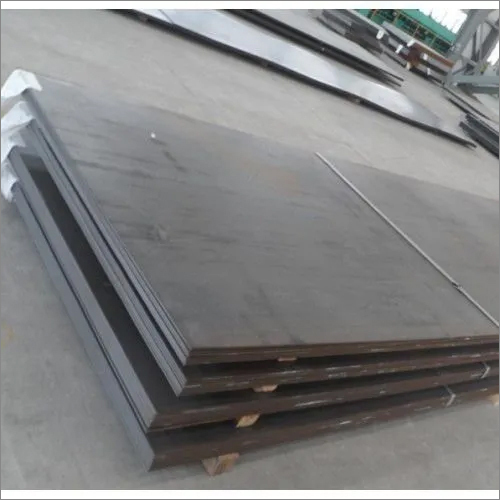
Tell us about your requirement

Price:
Quantity
Select Unit
- 50
- 100
- 200
- 250
- 500
- 1000+
Additional detail
Mobile number
Email

More Products in Alloy Plates And Sheets Category
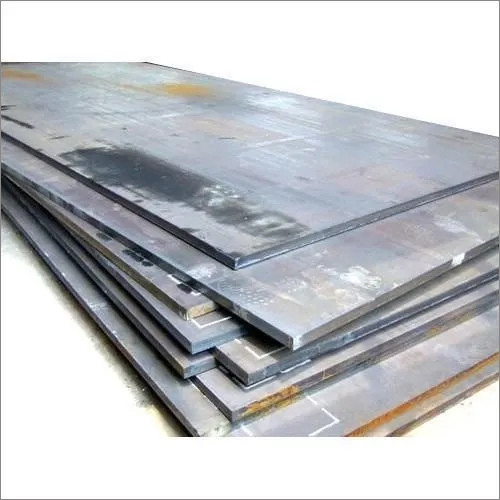
Aluminium Alloy Sheets
Price 150 INR / Kilograms
Minimum Order Quantity : 10 Kilograms
Shape : Other, Rectangular, Square, Custom shapes
Product Type : Metal
Surface Treatment : Other, Mill finish, Anodized, PVDF Coated
Material : Alloy Steel
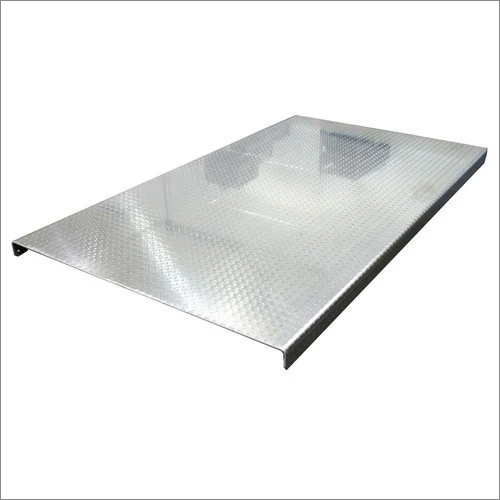
Aluminum Sheets
Price 220 INR / Kilograms
Minimum Order Quantity : 10 Kilograms
Shape : Other, Rectangular, square, or custom shape
Product Type : Alloy
Surface Treatment : Other, Mill finish, anodized, brushed, color coated
Material : Alloy Steel
High Nickel Alloys Steel Plates
Price 150 INR / Kilograms
Minimum Order Quantity : 10 Kilograms
Shape : Other, Rectangular, Square, or Custom
Product Type : Alloy
Surface Treatment : Other, Polished / Hot Rolled
Material : Alloy Steel
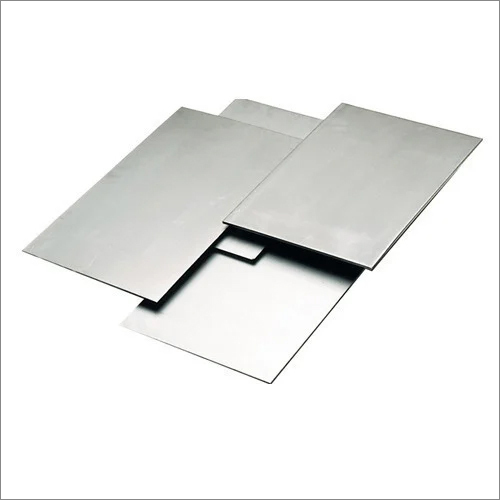
Nickel Alloys Sheets
Price 300 INR / Kilograms
Minimum Order Quantity : 10 Kilograms
Shape : Other, Rectangular, Square, Custom shapes
Product Type : Metal
Surface Treatment : Other, Polished, Bright, Annealed
Material : Alloy Steel

 Send Inquiry
Our Products
- Alloy Plates And Sheets
- Stainless Steel Half Coupling
- SS Hex Bolts
- Pipe Elbows
- Pipes And Pipe Fittings
- STAINLESS STEEL TUBE AND TUBE FITTINGS
- COPPER TUBES AND FITTINGS
- Stainless Steel Pipes
- Stainless Steel Flanges
- Round Bars
- Aluminum And Brass Pipe Fittings
- Saudi Aramco Approved Flanges And Fittings
- Alloy Steel Pipe Fittings
- Hastelloy Pipe Fittings
- Inconel Pipe Fittings
- Titanium Product
- Monel Pipe Fittings
- Carbon Steel Flanges
- Carbon Steel Pipe Fittings
- Nickel Alloy Pipes and Tubes
- Nickel Alloy Forged Fittings
- Surgical Pipes
- Monel Flanges
- Inconel Flanges
- Hastelloy Flanges
- Super Duplex Stainless Steel Pipe Fittings
- Seamless Steel Pipes
- Copper Nickel Flange
- Aluminum Flanges
- Alloy Steel Flanges
- MS product


SHOP NO 06, 89 ISHWAR BHUVAN, KHADILKAR ROAD, KANDAWADI, CHARNI ROAD,Mumbai - 400004, Maharashtra, India

Mr Nikhil Mehta
(Proprietor)
Mobile :07313727068
 Send Inquiry
 Send SMS
Developed and Managed by Infocom Network Private Limited.
